
What Goes Into an Exterior Paint Job: From Estimate to Final Walkthrough
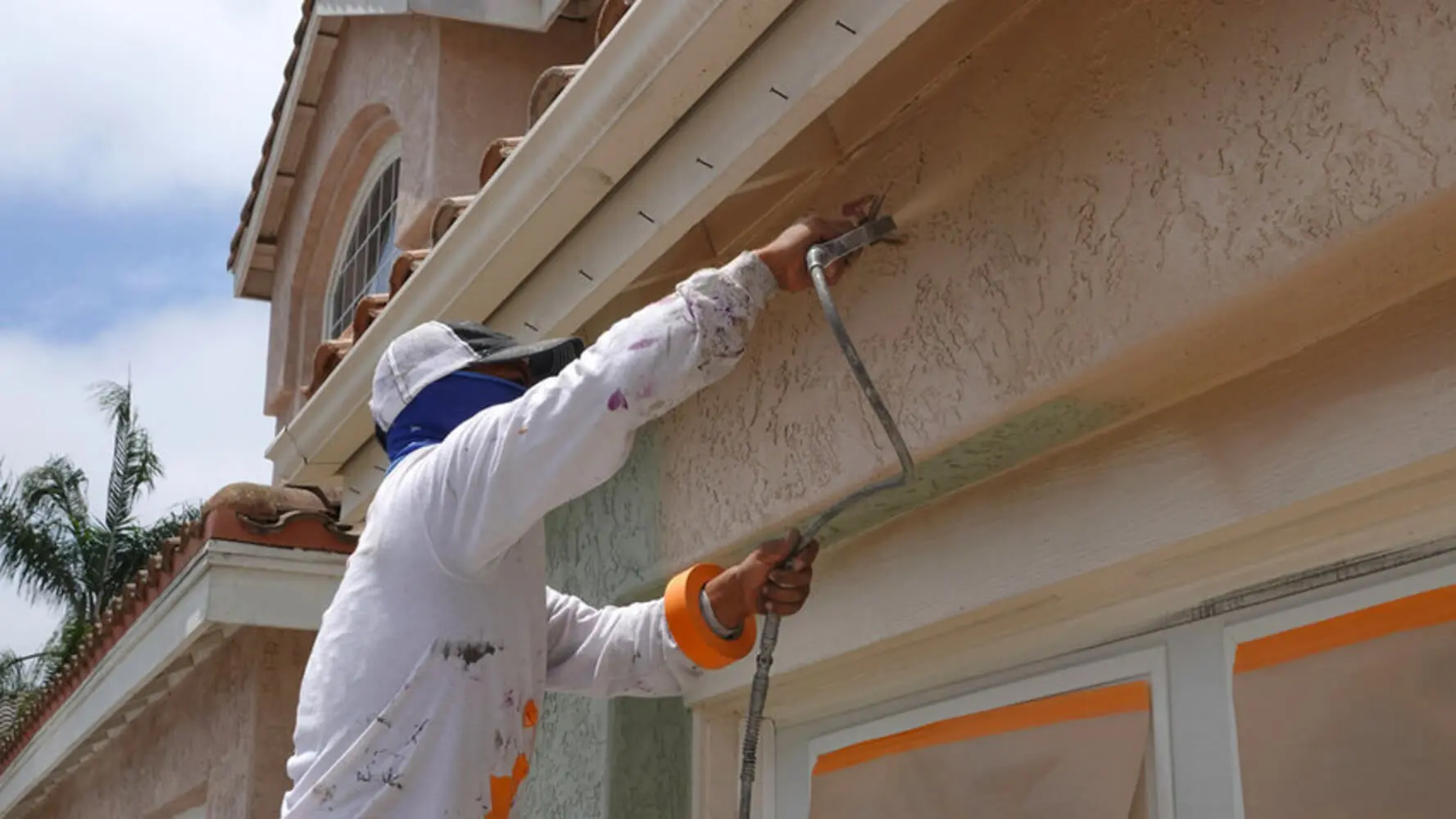
You’ve decided to repaint your home’s exterior. The decision is made. What you want now is to understand exactly what you’re signing up for before you commit to a contractor.
For homeowners in North Port and greater Southwest Florida, that question carries some weight. A lot of people in this market have hired a painter before and ended up with a crew that showed up late, skipped steps they couldn’t see, and left before anything was confirmed. When you’re preparing to spend real money on a professional exterior paint job, knowing what the process is supposed to look like is the most useful thing you can have going into that conversation.
A legitimate professional exterior paint job follows a specific sequence. Every step in that sequence exists for a reason, and in North Port’s climate, where UV intensity and humidity accelerate paint failure, the steps that get skipped are the ones that show up as problems two or three years later. Here’s what that process looks like from start to finish.
Step 1: The On-Site Estimate and Surface Assessment
The job starts before a brush or sprayer touches the house. A professional comes to the property, walks the exterior, and evaluates the surface condition before quoting anything.
That assessment covers more than a visual scan from the driveway. A thorough evaluation looks at:
- The condition of the existing paint, including any chalking, fading, or adhesion failure
- Areas where paint is peeling or delaminating from the stucco surface
- Cracks or damage in the stucco that need to be addressed before painting begins
- Signs of moisture infiltration behind the paint film
- Surfaces included in the scope such as soffits, gutters, and pool cages
The estimate and the assessment are the same visit. A contractor who quotes a price over the phone or by square footage without seeing the surface in person hasn’t assessed anything. They’ve guessed. The quote that comes from that kind of process almost never reflects what the job actually requires.
This is also where scope is confirmed: which surfaces are included, what prep work is required, and what products are appropriate for the specific conditions on that home. Andrew handles every estimate personally. The homeowner gets the owner on-site, not a salesperson running numbers from a tablet.
Step 2: Surface Preparation
Preparation is what the paint job is built on. In North Port’s climate, where UV intensity and humidity accelerate paint failure, prep is not a preliminary task that happens before the real work begins. It is the work that determines how long the finished job lasts.
A professional exterior prep process covers three distinct actions.
Cleaning and Soft-Washing
Before any patching or priming begins, the entire exterior surface is cleaned. Dirt, mildew, salt air residue, and chalking paint have to be removed or the new paint has nothing sound to bond to.
Gulf Coast Painting uses light pressure washing and soft-washing as part of exterior prep. This is prep-specific work, not a standalone service, and it’s done with the finished paint job in mind. The goal is a clean, stable surface that gives the new paint system the best possible foundation.
Skipping this step is one of the most common reasons exterior paint fails ahead of schedule. Paint applied over a contaminated or chalky surface won’t adhere properly regardless of how good the product is. The failure shows up later, not at completion, which is why this is a corner that’s easy to cut and hard to catch.
Patching, Caulking, and Stucco Repairs
Once the surface is clean and dry, cracks, gaps, and damaged stucco are addressed. This includes:
- Hairline cracks in the paint film
- Deeper cracks in the stucco substrate
- Gaps around windows, doors, and trim
- Window glazing where needed
Gulf Coast uses Elastomeric Stucco Patch for caulking stucco surfaces. That’s not a detail that matters for its own sake. It matters because professional-grade patching materials are formulated to flex with the stucco through temperature cycles rather than crack again within a season, which is what happens with generic filler products.
Unaddressed cracks are moisture entry points. In Southwest Florida’s rainy season, water that gets behind the paint film through an unpatched crack will cause bubbling and delamination within one to two seasons. The repair cost at that point is significantly higher than addressing the crack before the paint went on.
Priming the Surface
After the surface is clean and repairs are complete, primer is applied before any finish coat. Gulf Coast uses Loxon primer to seal stucco surfaces.
Primer is not optional on stucco. Stucco is porous and alkaline. Without a proper primer coat, finish paint absorbs unevenly, adhesion is compromised, and the paint film won’t perform the way it’s specified to. A properly primed surface gives the finish coat something stable and consistent to bond to across the entire exterior.
When primer gets skipped to save time, the finish coat can’t perform as specified. The homeowner won’t see the problem at completion. They’ll see it when the paint starts failing ahead of schedule.
Step 3: Paint Application
With prep complete, the finish coat goes on. By the time paint application begins, the outcome of the job is largely already determined by the quality of prep that preceded it. Application is where that foundation gets realized.
Gulf Coast applies paint using a fine finish spray method. In practice, that means even coverage, consistent film thickness, and a result that looks uniform and professional across the entire surface rather than showing the lap marks and uneven texture that rolled or brushed application can leave on stucco.
On a stucco exterior, application covers all surfaces included in the scope: siding, soffits, gutters, and pool cages where applicable. Each surface type requires attention to coverage and consistency.
Mil thickness matters here. Paint applied too thin doesn’t perform the way the product is rated to perform. A professional application reaches the specified coverage rate across the full surface. A rushed application often doesn’t, and the homeowner has no way to see the difference at completion. Understanding how long exterior paint lasts on stucco in this climate makes clear why proper application thickness is one of the factors that determines whether a paint job holds for five years or ten.
Step 4: Detail Work and Site Cleanup
Once the main surfaces are painted, detail work is completed. This covers trim, baseboards, and any areas that require hand brushwork to produce clean lines and sharp edges at transitions.
Clean lines at trim and where surfaces meet are one of the clearest visible indicators of a professional job. This is where the quality of the finished result becomes apparent. A crew that rushes through detail work leaves visible evidence of it at every corner, window frame, and transition point across the exterior.
Site cleanup is part of the job, not something that happens if there’s time left. A professional crew leaves the property the way they found it:
- Nothing moved without being returned to its original position
- No paint overspray on surfaces it shouldn’t be on
- No debris, drop cloths, or equipment left behind
- Landscaping and hardscaping protected and undisturbed
Homeowners who hire at the premium level expect the job site to reflect the same standard as the finished work. A clean site throughout the project and at completion is part of what a professional exterior paint job actually includes.
Step 5: The Final Walkthrough
When the work is complete, a final walkthrough is conducted with the homeowner. Every surface is reviewed together before the contractor leaves.
The walkthrough covers:
- Paint coverage and consistency across all surfaces included in scope
- Clean lines at trim, transitions, and detail areas
- Any touch-ups identified and addressed on the spot
- Confirmation that the site is clean and nothing has been damaged or left out of place
A contractor who considers the job done when the last coat is dry has not completed the job. The walkthrough is where accountability happens. It’s the moment where the homeowner gets to confirm that what was promised at the estimate is what was actually delivered.
Andrew conducts the walkthrough personally on every job. The same person who came to the property for the estimate, managed the project, and executed the work is the one standing there at the end confirming it meets standard. That continuity is deliberate.
Now You Know What a Professional Exterior Paint Job Includes
A professional exterior paint job is a sequence, and every step in that sequence exists for a reason. In North Port’s climate, the steps that get skipped are the ones that produce premature failure. The ones that get done right are what separate a paint job that holds for seven to ten years from one that starts showing problems within two or three.
You came into this knowing you wanted to repaint. You leave understanding exactly what that process should involve and what a contractor who executes it correctly actually delivers from the first estimate to the final walkthrough.
Gulf Coast Painting & More provides free on-site estimates. Andrew comes to the property personally, walks the exterior, and explains exactly what the job will involve before any commitment is made. Request a free estimate and find out what your home’s exterior actually needs.